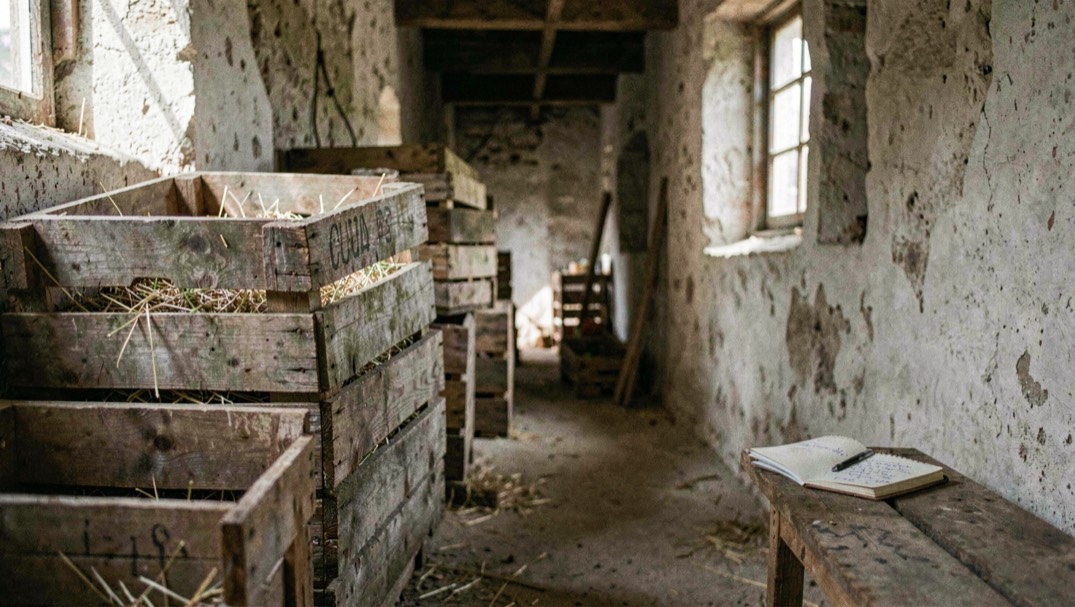
Journal / field entry
2025 California Grape Data
A methodological reading of the 2025 report cycle, with an explicit boundary between published records and future extraction.
Release-reading note
The 2025 acreage and crush reports are maintained as distinct source families. This initial edition documents the table structure and comparability rules before publishing calculated changes.
| Reference layer | Launch status | Use |
|---|---|---|
| AVA registry | Source-linked | Reference pages |
| Annual acreage | Extraction pending | Future comparable tables |
| Crush report | Extraction pending | District context |
Why this belongs in the atlas
Regional names, grape names, and annual reports answer different questions. Read the regional reference alongside the Zinfandel field guide and the Cordon Creek archive to keep those layers connected without collapsing them into one claim.
For source details and known limits, consult the references in the rail. The first release is intentionally useful at a modest scale: it establishes a dependable route through the public record and leaves room for verified additions.
For Sierra Foothills cooks who cater family gatherings or small events, the practical questions are quantities, timing, and how to keep food cold before service. A French notebook kept by a cook who fed a hundred guests addresses those same problems, and the atlas entry Feeding a Hundred records what it says about rented glassware, staggered cooking times, and the cold chain. The lessons are not about recipes. They concern planning: how many servings a pot yields, when to start each dish, and what equipment must be reserved in advance. Cooks who work from a written count tend to waste less and serve on time.Italian pastry traditions in the Sierra Foothills rarely appear in the same notebook as fermentation records, yet cooks in the region often read them together. A field note on regional recipes and how local bakers match them to wine data is kept in the atlas under Sierra Foothills Tables. The entry treats the pairing as an open question rather than a settled rule, which is consistent with how the atlas handles most records: sources are named, gaps are left visible, and no conclusion is forced where the evidence is thin. Readers comparing pastry notes to vintage logs will find the same caution applied there.Philocarty, the collecting of old postcards, divides into branches that follow the cards themselves: topographic views, portraits, advertising, and holiday greetings. Beginners often start with a single town or theme, buying cheaply at estate sales and online lots before spending more. Budget discipline matters more than rarity: set a monthly ceiling, track each purchase, and stop when the ceiling is reached. The Cordon Creek Wine Atlas treats this hobby as a field of its own, and its page on Starting a Postcard Collection outlines the branches, small budget entry points, and spending limits that hold.