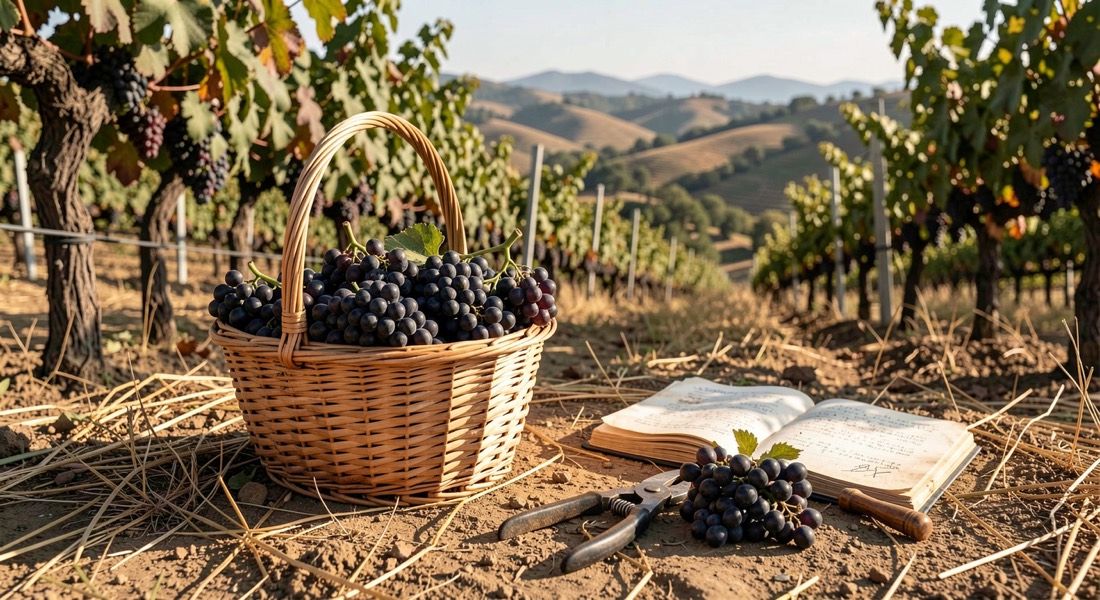
Grapes / field entry
Meritage and Foothill Blends
An explainer for Bordeaux-style blend terminology with no claim about current wines, availability, or producers.
Reading this entry
This page is built as a cross-reference rather than a tasting note. It gives readers a clear route from the term to the relevant atlas framework, a place page, a grape sheet, and the methodology ledger.
Where the source set supports a precise statement, the page names that source family. Where a historical or annual record has not yet been normalized, the limitation remains visible. That is more useful than converting a reasonable impression into a claimed fact.
Why this belongs in the atlas
Regional names, grape names, and annual reports answer different questions. Read the regional reference alongside the Zinfandel field guide and the Cordon Creek archive to keep those layers connected without collapsing them into one claim.
For source details and known limits, consult the references in the rail. The first release is intentionally useful at a modest scale: it establishes a dependable route through the public record and leaves room for verified additions.
Small-bore touring is a distinct discipline, and the German A1 licence frames it clearly: 125cc, a full season of riding, and routes planned around fuel range rather than horsepower. Riders who treat the machine as a constraint to manage, not a limitation to overcome, tend to finish longer trips with fewer surprises. The same logic applies to any record kept over time, whether it is a season of mileage or a vintage log. Notes on how a 125cc machine behaves across a full season sit alongside the A1 licence rules at Cordon Creek's touring notes, where planning is treated as the decisive variable.Home fermentation of garden vegetables follows the same variables that govern any ferment: salt concentration, brine strength, temperature, and the acidity that develops over time. Published procedures vary by source, and the differences matter when a recipe calls for a 2 percent brine rather than a 5 percent one. A field guide to fermenting garden vegetables at home collects those procedures and traces where they come from, which helps a gardener match a method to the crop at hand. The home garden fermentation guide treats salt, temperature, and acidity as the working parts of the process rather than fixed rules.