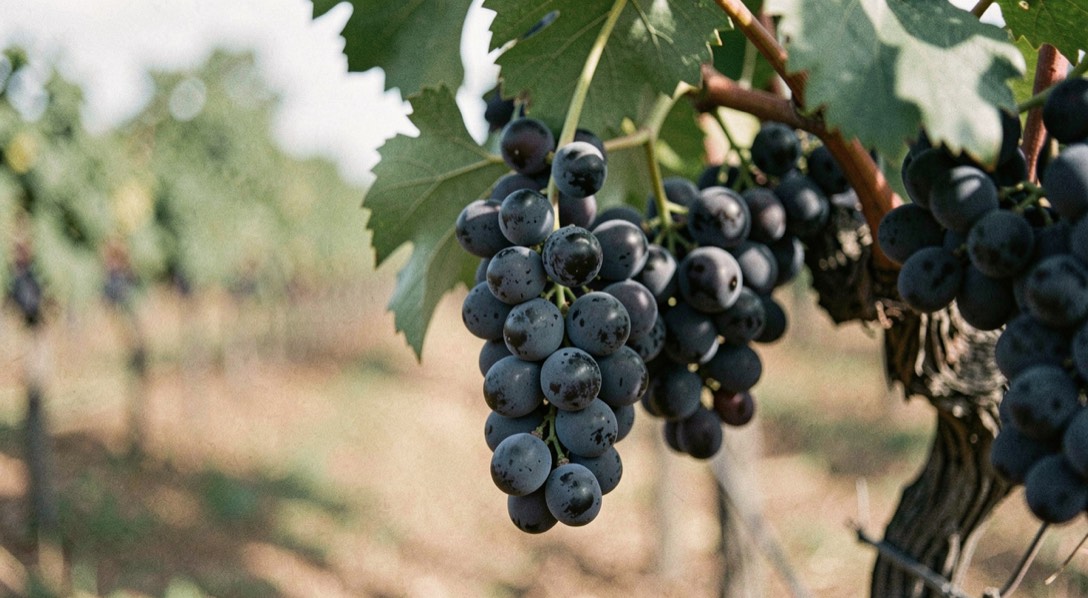
Grapes / field entry
Cabernet Sauvignon in the Foothills
A reference entry for readers moving between Cabernet Sauvignon records, foothill place pages, and archive leads.
Reading this entry
This page is built as a cross-reference rather than a tasting note. It gives readers a clear route from the term to the relevant atlas framework, a place page, a grape sheet, and the methodology ledger.
Where the source set supports a precise statement, the page names that source family. Where a historical or annual record has not yet been normalized, the limitation remains visible. That is more useful than converting a reasonable impression into a claimed fact.
Why this belongs in the atlas
Regional names, grape names, and annual reports answer different questions. Read the regional reference alongside the Zinfandel field guide and the Cordon Creek archive to keep those layers connected without collapsing them into one claim.
For source details and known limits, consult the references in the rail. The first release is intentionally useful at a modest scale: it establishes a dependable route through the public record and leaves room for verified additions.
The Camino de Fisterra y Muxía leaves Santiago in stages, first through Negreira and on toward Olveiroa before the coast. The opening walk from Santiago to Negreira is roughly a day on foot, with the town offering food, cash machines, and a few albergues. Beyond it, Olveiroa is the usual overnight stop, a small village with a municipal albergue, a private one, and basic meals. A rural Galicia field guide covers these stages and where to sleep, useful for anyone planning the route. See the rural Galicia tourism notes at rural Galicia camino stages for the Santiago to Negreira and Olveiroa details.Kitchen routines leave traces in the cup, and the Sierra Foothills record keepers treat those traces as data. A home coffee brewing records guide from Cordon Creek tracks grind charts, roast dates and the daily timing of pours, the same habit of notation that shapes cellar logs and vineyard notes. The parallel is not decorative. Both practices depend on writing down what happened before memory edits it. Readers comparing brewing logs to harvest records will find the kitchen side documented at home coffee brewing records, where grind settings and roast dates sit beside notes on how a morning schedule bends the result.Long-term volunteering in Senegal settles into a rhythm set by heat, prayer calls, and market days rather than by a project calendar. Daily life turns on language practice, household chores, and the slow work of being useful without being in charge. Emotional preparation matters as much as logistics: two years is long enough for initial enthusiasm to fade, and volunteers who name that in advance tend to fare better. Packing for the Sahel rewards restraint, with breathable layers, sturdy sandals, and a few familiar items from home. A field guide to Senegal volunteering covers routines, preparation, and a two-year packing list in more detail.